Craft — June 2026
The Hour the Light Turns Gold
Why we build every wedding timeline backwards from a single hour — and what happens to photographs when you do.
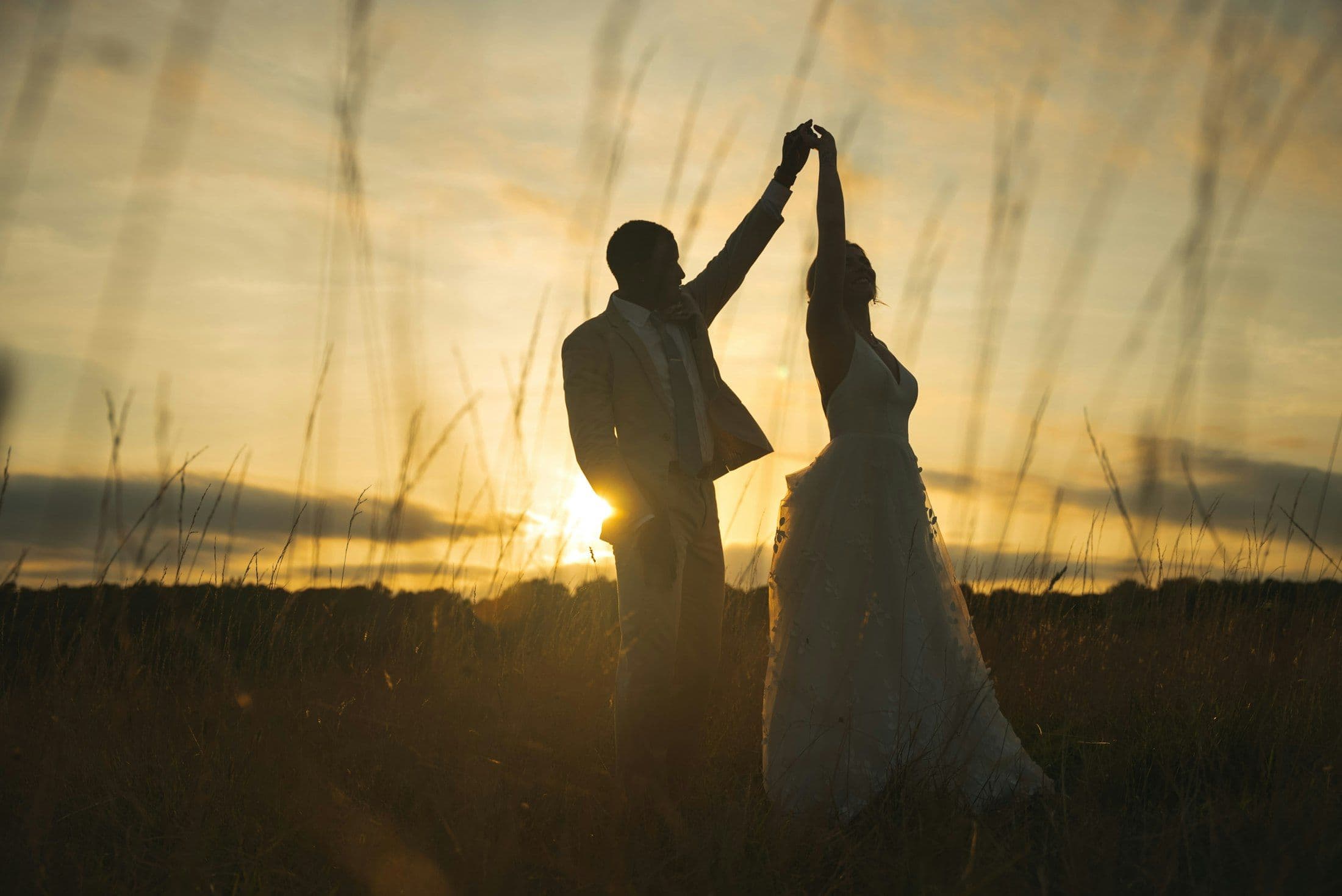
There is an hour — sometimes less — when the Cape light stops describing things and starts feeling them. Shadows lengthen and soften at once. Skin turns warm. The mountains go from scenery to presence. Photographers call it golden hour, but the name undersells it: it is less a time of day than a change of mood, and no reception lighting rig has ever come close.
It is also, on most wedding timelines, the hour of the starters.
Building the day backwards
When we design a timeline with our couples, we begin at sunset and work in reverse. Not because photographs outrank dinner, but because this single decision quietly improves everything around it. A ceremony that ends two hours before sunset gives you an unrushed cocktail hour in beautiful light, portraits that take twenty minutes instead of an anxious forty-five, and a couple who actually attend their own celebration.
The alternative — the one we are gently rescuing couples from all season — is a ceremony at high noon, a three-hour gap filled with logistics, and a sprint for portraits while the best light of the entire year slips past the salad course.
What it looks like in practice
In Franschhoek in late summer, the sun leaves the valley floor around half past seven. We will suggest vows at five, a long golden cocktail hour, and twenty stolen minutes in the vines at seven — no posing, just walking. In the Winelands' winter, the whole day shifts earlier and the light turns silver instead; it is a different photograph, and just as beautiful.
None of this is complicated. It only requires deciding, early, that light is a guest of honour — and planning the party around when she arrives.